Celebrating 2025-26 retirees
Please join us in congratulating the cohort of Michigan Engineering emeritus faculty who retired between March 2025 and February 2026. May your next chapter be as awe-inspiring as your last.

Please join us in congratulating the cohort of Michigan Engineering emeritus faculty who retired between March 2025 and February 2026. May your next chapter be as awe-inspiring as your last.
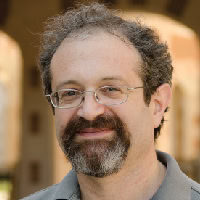
Ackerman’s major research areas included human-computer interaction and computer-supported cooperative work. His research addressed issues concerning social media, collaborative information access, pervasive environments, organizational memory, privacy, the design of technical systems and the sociology of information.
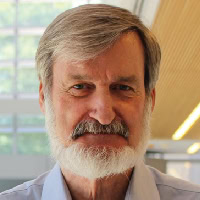
Ashton-Miller’s expertise is in biomechanics with specific interests in unintentional injury, including mobility impairments in the elderly, birth-related injury in women, spine biomechanics and athletic injuries.
Burns’ research focused on the design, fabrication and application of microfluidic systems to tackle critical challenges in healthcare and environmental monitoring. His work revolutionized point-of-care diagnostics.
Eby’s research focused on the behavioral aspects of transportation safety and mobility. His interests included older adult safety; advanced automotive technologies; traffic safety programs and policies; preventing distracted, drowsy and alcohol-impaired driving; employee driving safety; and occupant protection.

Hughes conducted shoulder biomechanics research and co-founded the Michigan Arthroplasty Registry Collaborative Quality Initiative (MARCQI). MARCQI is a consortium of hospitals, ambulatory surgery centers and orthopedic surgeons dedicated to improving the quality of care for elective total hip and knee replacement patients in the state of Michigan.
Lafortune’s research focused on discrete event systems and included multiple problem domains such as modeling, diagnosis, control, optimization and applications to computer and software systems.
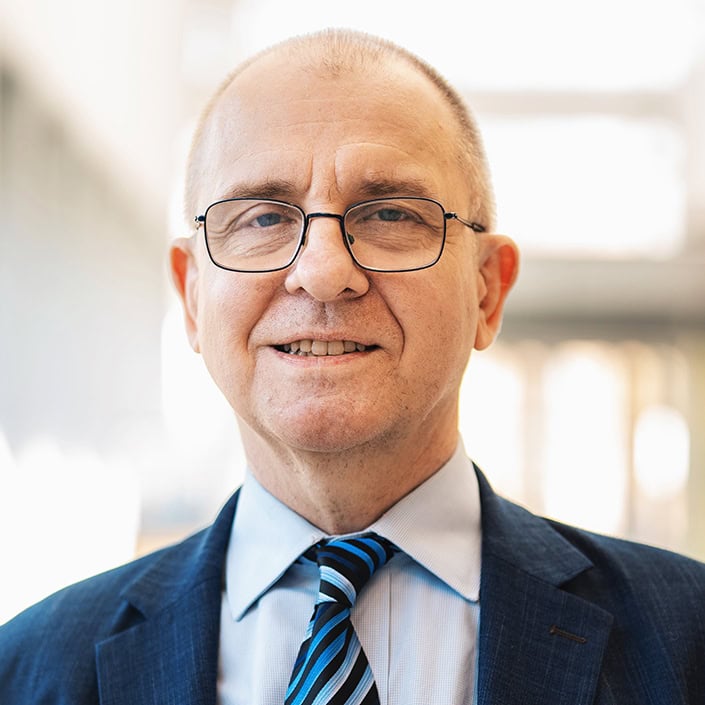
Michielssen is a leader in computational electromagnetics, with foundational contributions to fast algorithms for solving large-scale electromagnetic problems arising in antenna design, radar, microelectronics and photonics.
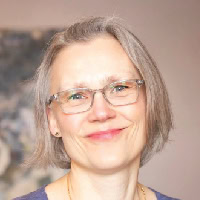
Raskin is a globally recognized expert in microbial aspects of anaerobic waste treatment and drinking water treatment technologies.
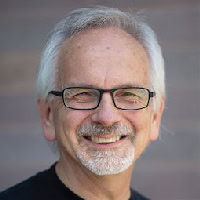
Samson’s research has advanced both atmospheric science and educational technology. In atmospheric science, he studied the regional-scale transport of air pollutants, atmospheric ozone and acid rain. In educational technology, his research led to Weather Underground, one of the first internet-based weather services, and LectureTools, a classroom engagement platform used in learning management systems worldwide.
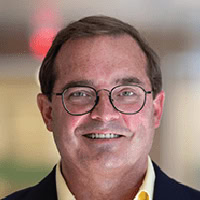
Sayer’s research focused on transportation safety and how humans interact with transportation systems. He oversaw some of the first modern-day tests of driver assistance systems including adaptive cruise control, forward collision warning and wireless vehicle-to-everything communication.
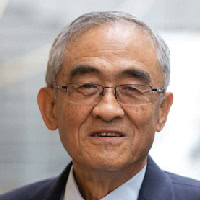
Shin’s career has focused on the integration of real-time embedded applications with physical systems, with results applicable to autonomous vehicles and robots, smart phones and homes, smart connected communities, and human health and wellness.
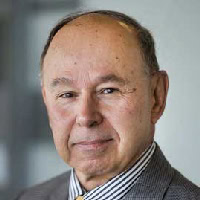
Wehe’s work has advanced applications in nuclear medicine, astrophysics, nonproliferation and treaty verification, nuclear forensics and industrial imaging.