Building sustainable furniture, structures and community in Marquette: Pete Cook
A University of Michigan Engineering alum is prototyping and implementing a more sustainable way of living.
STORY AND PHOTOS BY:
Summary
- Pete Cook is founder of Cookcraft Woodworking, a design and build company specializing in reclaimed materials. Cookcraft’s portfolio includes custom furniture, greenhouses, compost toilets and a sauna for a retreat serving young cancer patients.
- On 80 acres outside Marquette, he is building an off-grid eco-village centered around resilience, sustainability and cooperation.
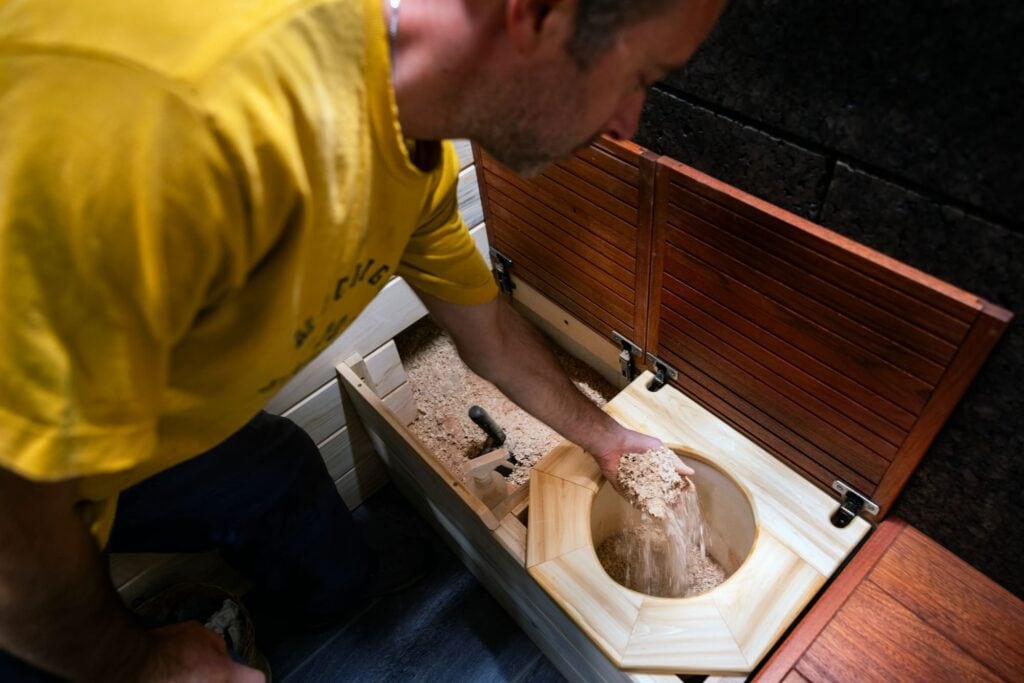
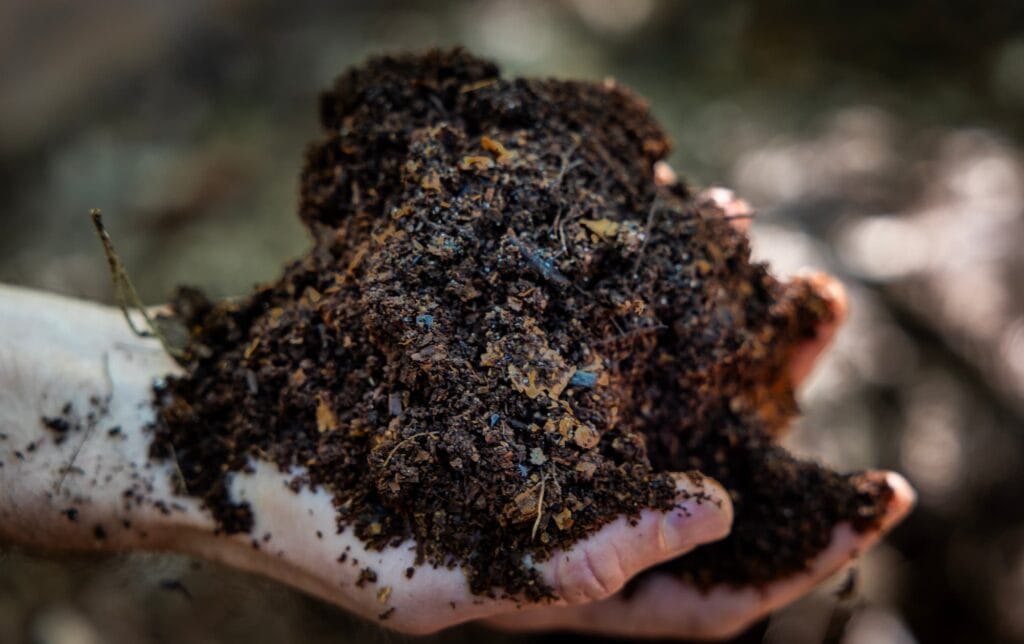
When Pete Cook (BS MSE ‘08,) uses the toilet he built in the basement of his home near Marquette, Mich., he doesn’t flush. Instead, he tosses in a handful of wood shavings from his woodshop and finishes with a quick mist from a spray bottle.
It’s an unusual ritual, but for Cook, it reflects a much bigger idea.
For most people, human waste disappears with the push of a handle, carried away by gallons of drinking water and a network of pipes and treatment plants. Cook sees a system that wastes both water and nutrients.
“As a society, I don’t think we should be taking two valuable resources—fresh, clean water and human nutrients—and combining them together to create toxic waste,” he said. “I think that’s just a bad idea.”
In Cook’s closed-loop composting system, heat, microbes, and worms transform human waste into nutrient-rich compost in a two-year cycle. Waste becomes compost, compost grows food, and food sustains people.
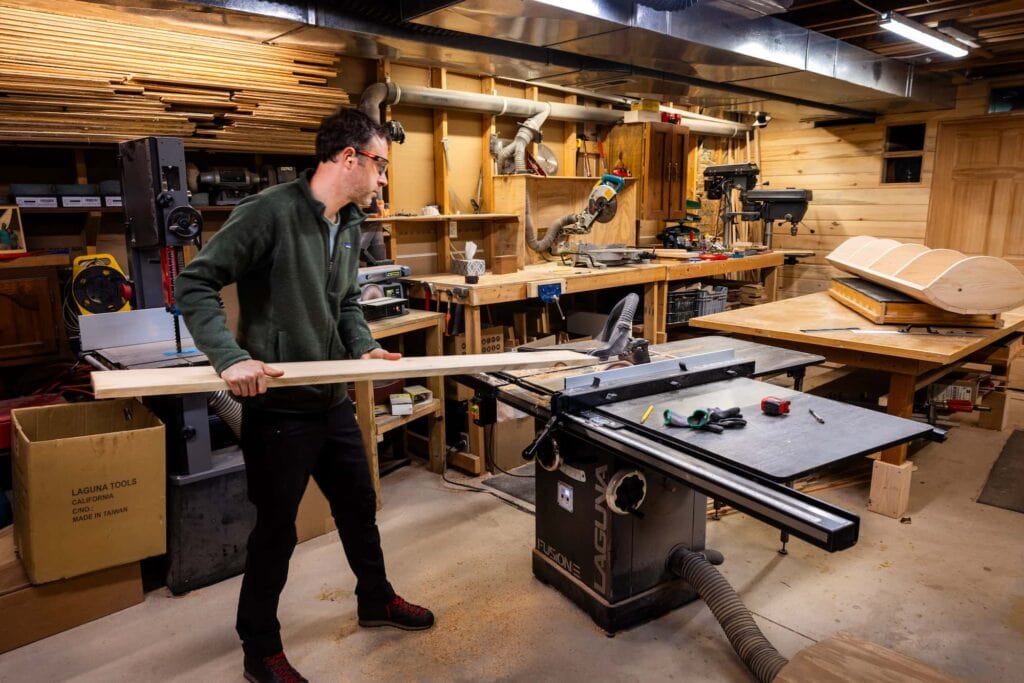
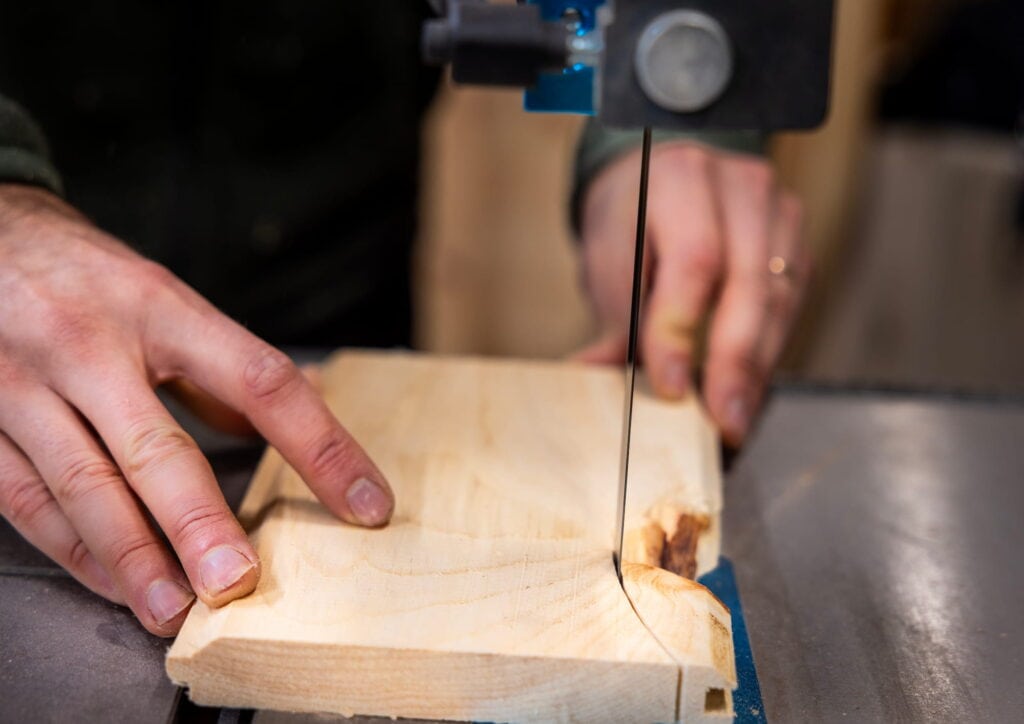
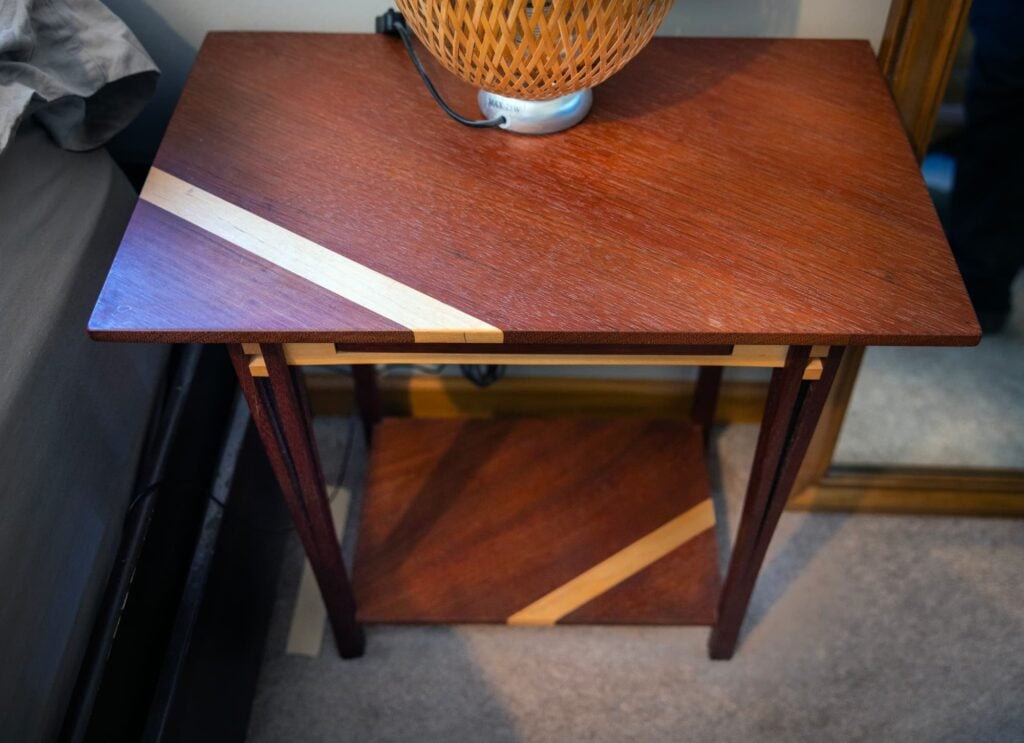
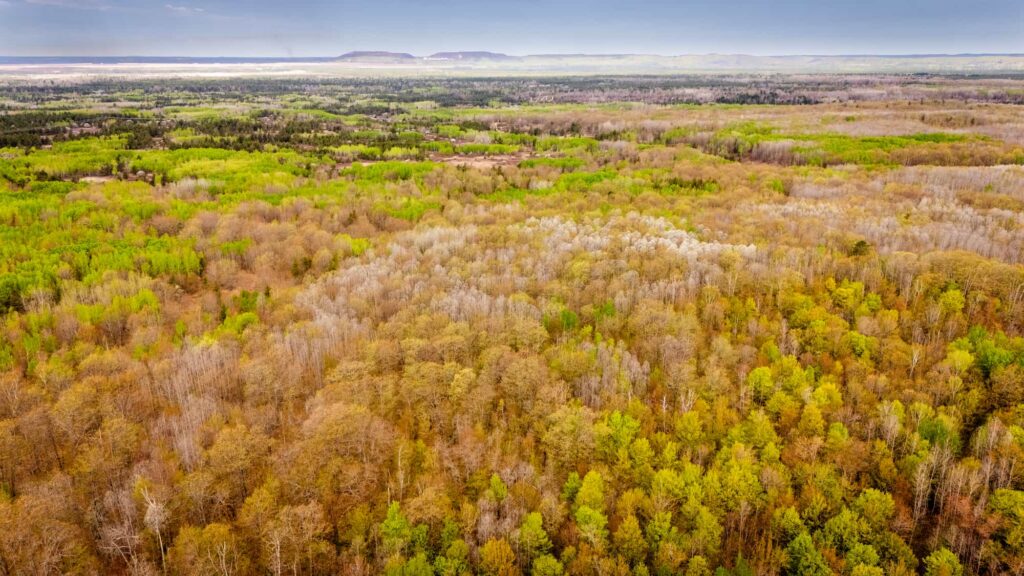
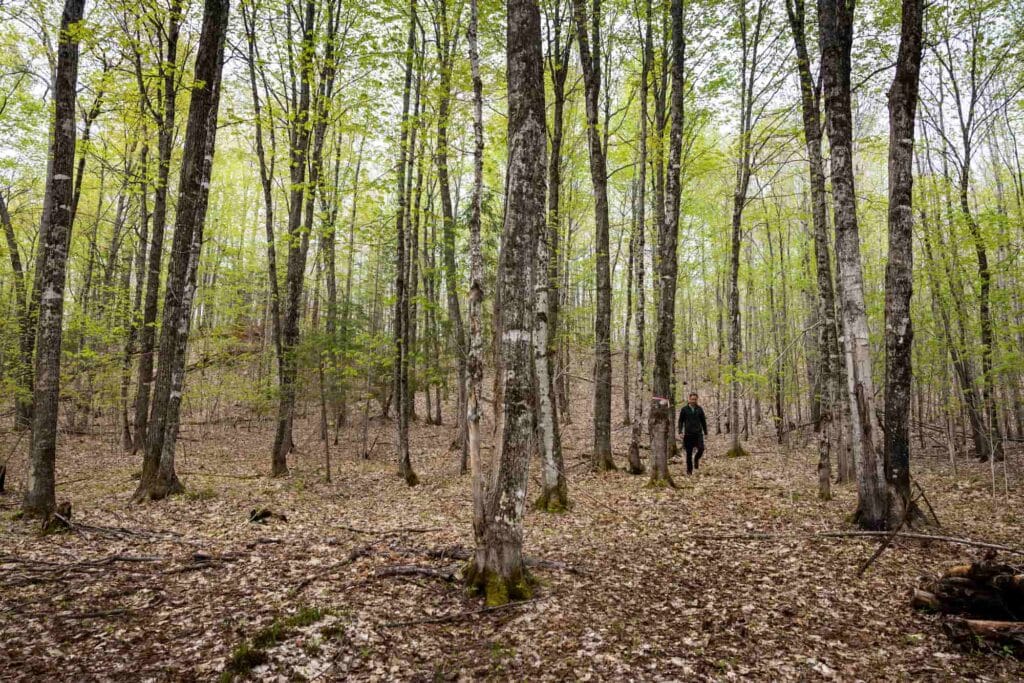
The composting toilet is one facet of an ambitious experiment in sustainable living. On 80 acres of forest outside Marquette, Cook and his wife, Naomi, are laying the groundwork for an off-grid eco-village built around resilience, sustainability and cooperation.
“It’ll be totally off-grid,” Cook said. “We won’t bring in power, propane or water. It’s really starting from scratch.” He and Naomi are prototyping wood heating and solar systems, as well as sustainable methods to produce food and increase the backyard food production capacities in his current home.
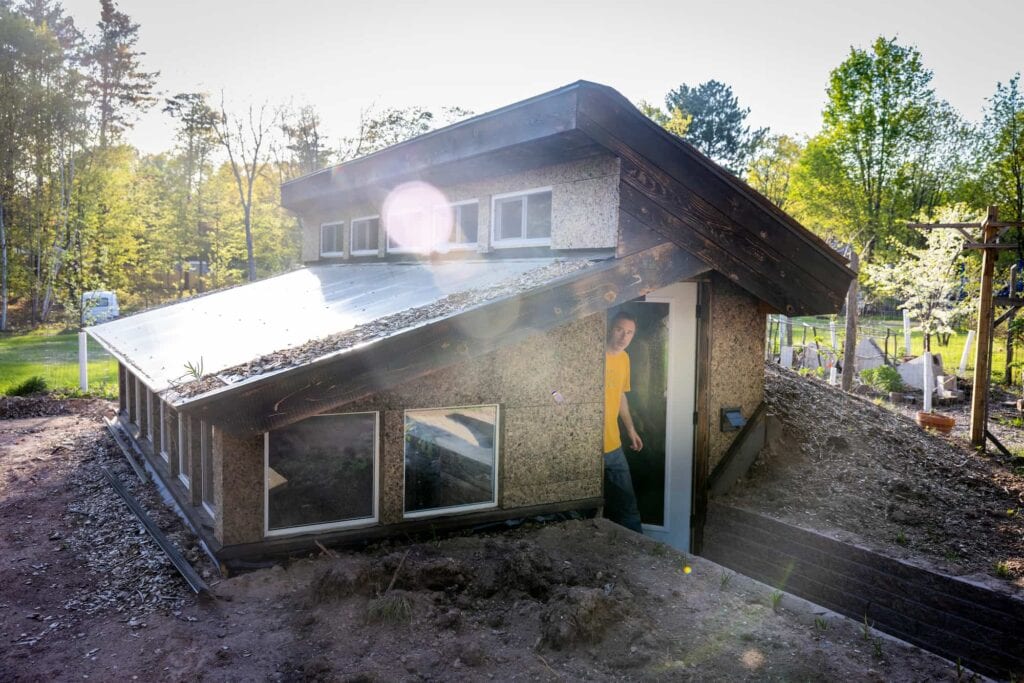
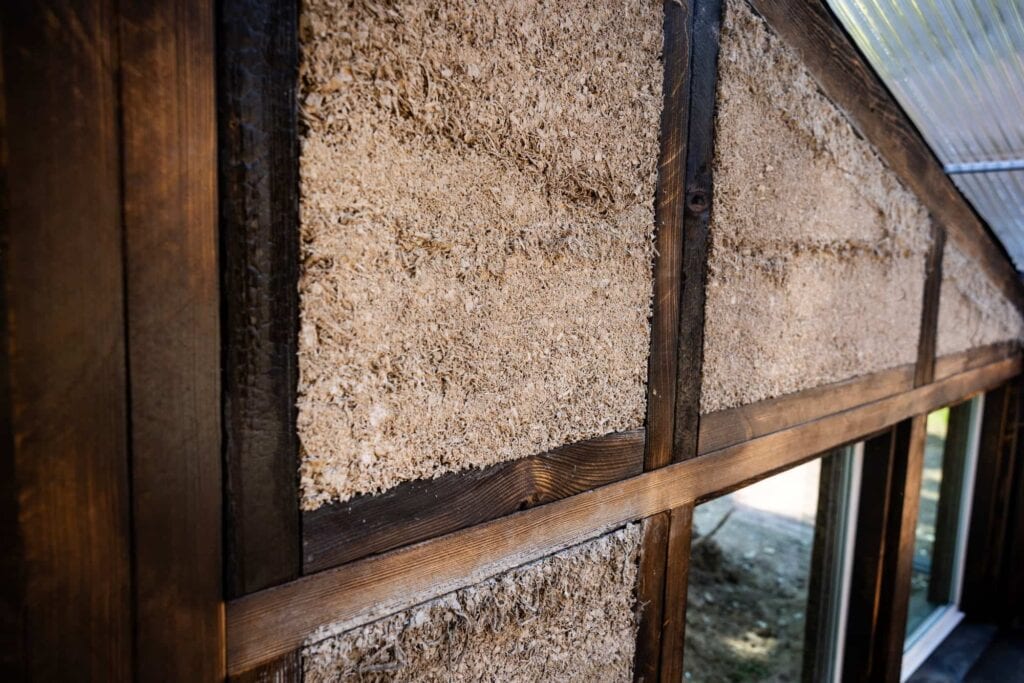
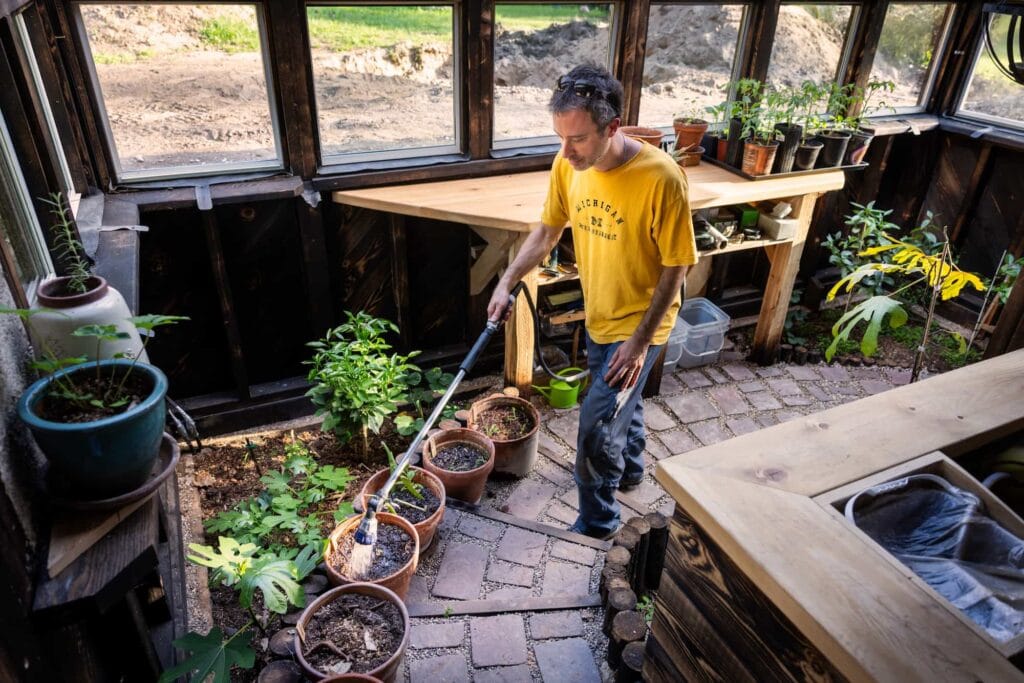
One of those methods is a greenhouse where he plans to grow warm-weather crops. Drawing on his material science engineering background, he added geothermal heating and cooling and insulated the structure with hempcrete, a material made from industrial hemp, lime, and cement. The greenhouse is partially buried underground, taking advantage of the Earth’s natural geothermal stability to regulate temperature and protect plants from freezing with limited supplemental heating.
This summer, a local forester will mark trees on the property for selective harvesting to improve forest health and biodiversity. In exchange for the timber, a logging company will build roads and create clearings for ponds, greenhouses, cabins and homes. The following year, Cook plans to drill wells and build a sawmill to provide lumber for construction.
His vision includes self-sustaining homes,workshops, campsites and small-scale enterprises like maple syrup and citrus production. He also plans a folk school that will teach traditional crafts like blacksmithing and woodworking. Cook is searching for families interested in building a community based on shared resources and mutual support. Discussions with two such families are already underway.
“Part of the land will become a place where people live, work, and create together,” Cook said.
From Prototype to Community

Cook hopes to address challenges facing communities across Michigan, including rising housing costs, economic uncertainty and climate adaptation.
He believes alternative building methods can help make housing more affordable. Composting toilets, for example, can eliminate the need for conventional septic systems, reducing construction costs significantly. Homes on the property will be built largely from timber harvested on-site.
“My work with alternative building materials and energy-efficient architecture gives people the opportunity to touch, see and feel a different way of construction,” he said. “They can smell the compost, try the sawdust toilet, and even taste what’s coming out of the garden.” Cook has given tours of his prototypes to clients, neighbors and friends, and a professor at Northern Michigan University plans to bring one of her sustainability classes to his property.
Cook hopes those experiences encourage people to think more broadly about how communities are built.
“If I can help people think differently about the world we live in, our interactions with each other, and our environment, my goals as an educator have been met,” he said.
A Long Way Home
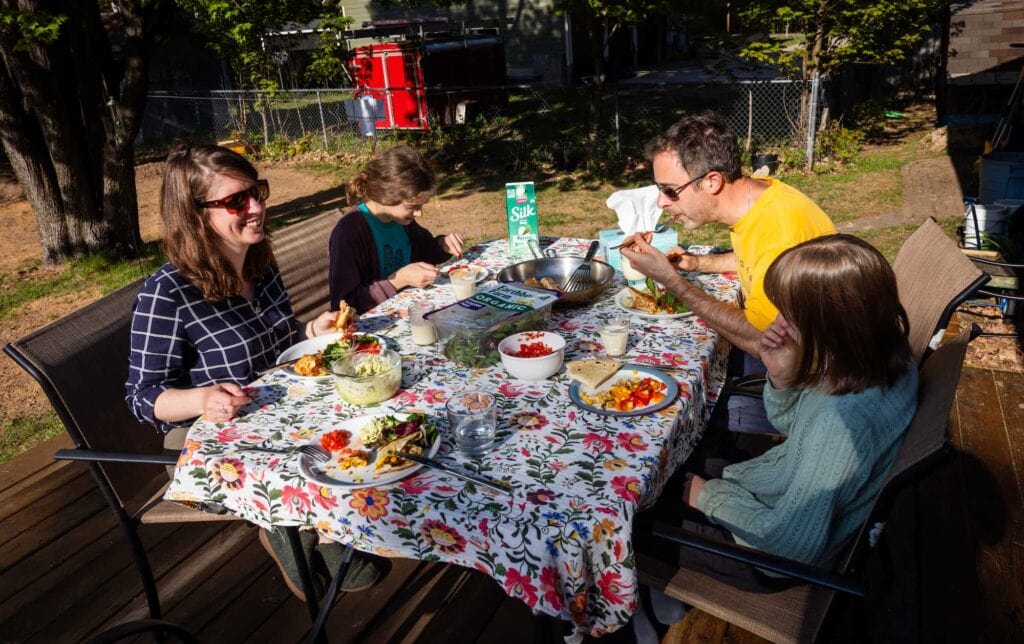
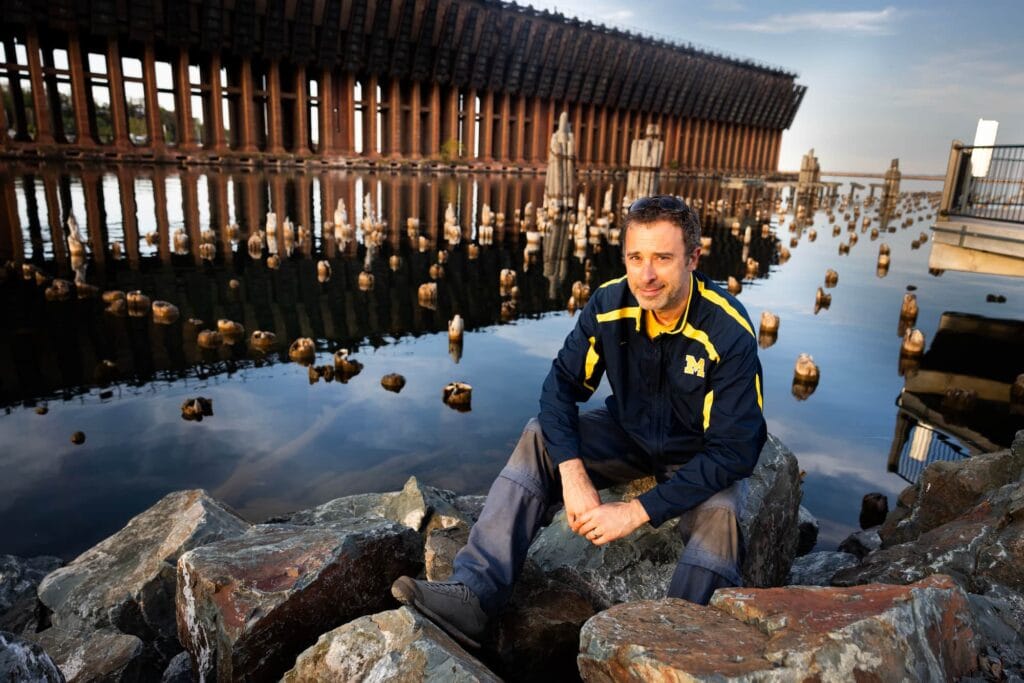
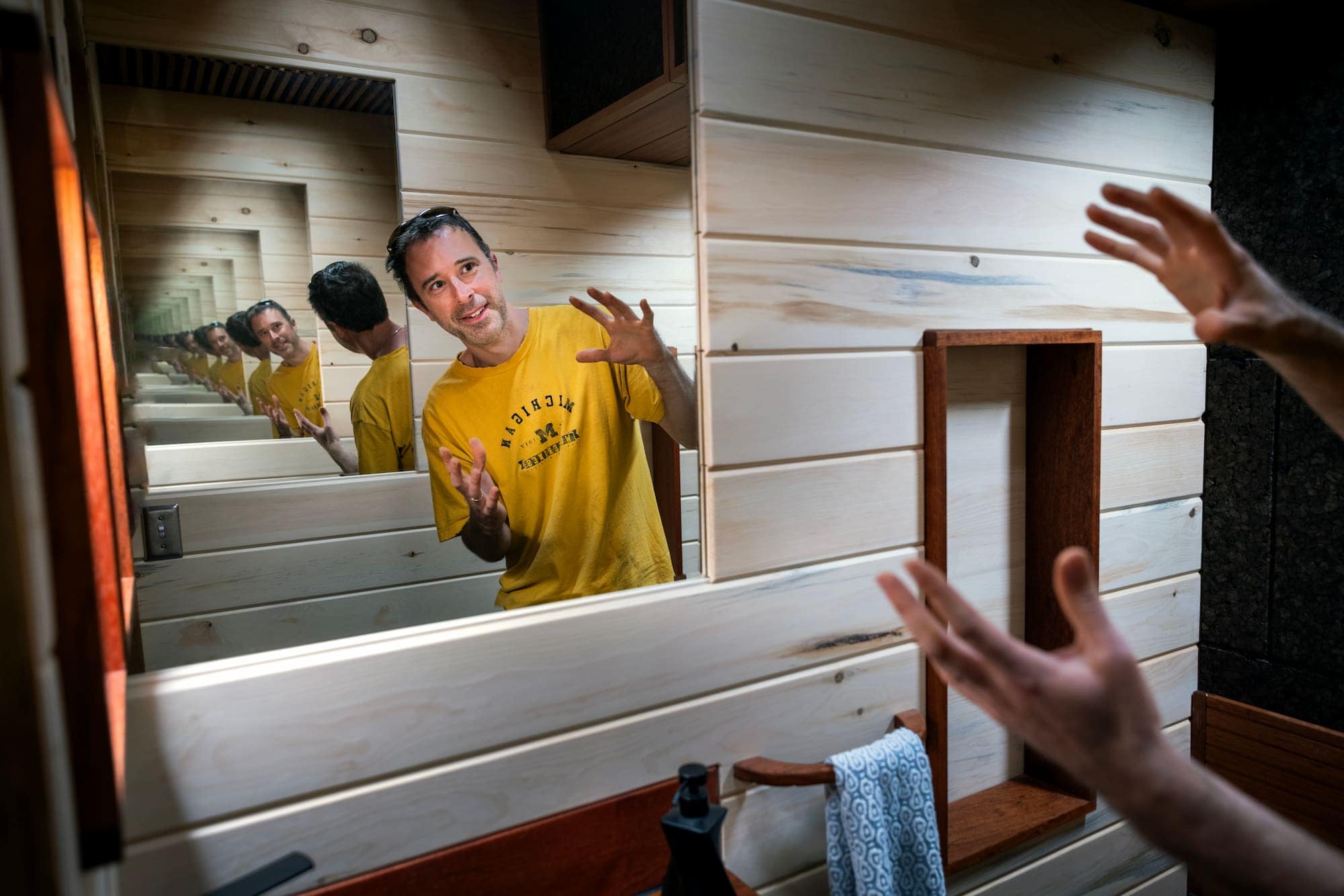
Cook grew up in Escanaba and embraces the Upper Peninsula’s tradition of independence and self-reliance. After earning a degree in materials science and engineering from the University of Michigan, he served in the Peace Corps in Mali, where he met his future wife.
He later earned a master’s degree in secondary education and teaching at U-M and spent more than a decade teaching high school math and physics in the Netherlands. Along the way, he became a writer, entrepreneur, woodworker and finish carpenter.
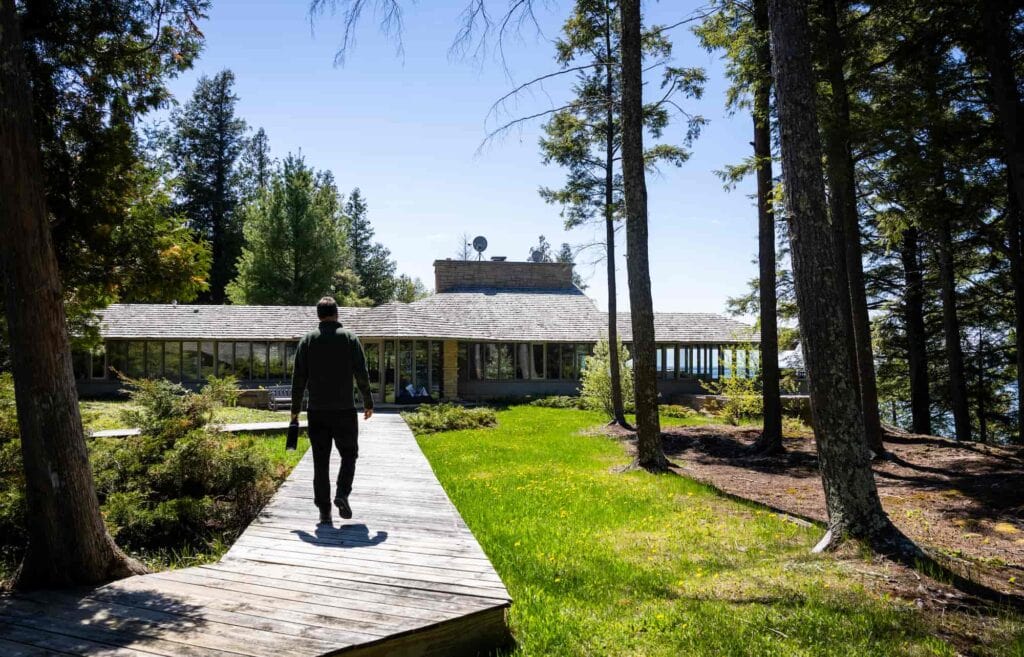
In 2023, Cook and his family returned to Michigan and settled near Marquette. He launched Cookcraft Woodworking, creating custom furniture and structures, including work on a sauna for a Lake Superior retreat serving young cancer patients.
He credits the University of Michigan with teaching him two lessons that continue to guide his work today. “The biggest things were learning how to learn and the power of teamwork,” he said.
That belief sits at the center of the eco-village project. Cook does not claim to have all the answers; instead, he is testing ideas that could help communities become stronger, more self-reliant and more connected.
Cook speaks passionately about the Upper Peninsula’s culture of community, independence, creativity and self-reliance. His impact lies in demonstrating that resilience can be built locally and together—and that the UP can be a place where new ideas take root.