Protecting whales–and fisheries
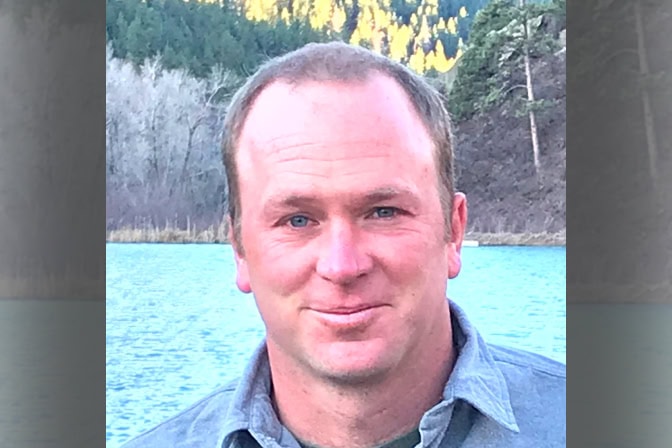
Ryan Halonen (MSE NAME ‘05) co-designed a modified crab trap that protects humpback whales while enabling crabbers to do their jobs.

Ryan Halonen (MSE NAME ‘05) co-designed a modified crab trap that protects humpback whales while enabling crabbers to do their jobs.
Newly modified, app-enabled crab traps are protecting endangered humpback whales off the coast of California while giving fishers better access to the area’s $50-million Dungeness crab fishery.
Co-developed by naval architecture and marine engineering alum Ryan Halonen, the technology has been approved by the California Department of Fish and Wildlife and will go into commercial use for the first time in April 2026. Halonen co-owns Sub Sea Sonics, a San Diego-based marine technology company that developed and manufactures the gear.
The new technology is an improvement on traditional crab traps, which sit on the sea floor and are connected by long lines to buoys on the water’s surface. During whale migration season, endangered humpbacks can get tangled in the lines, a leading cause of whale deaths.
“We’re fighting for the whales, and we’re also fighting for the people so that they can coexist,” Halonen said.
Whale entanglements can also delay the crabbing season, which traditionally runs from November to June. The state can pause it or even end it altogether if there is evidence of whale entanglements. The season was delayed every year between 2020 and 2025 and ended early every year between 2019 and 2025, and with migration routes shifting due to warming waters in the area, entanglements are only becoming more common.
“Losing the spring hurt because that’s right when we were just starting to make a profit,” said Steve Melz, who has been fishing for Dungeness crab in California since 1991. But with the new traps, “it’s no longer a closure. What it is, is a gear-type change.”
The new design houses the line and buoy inside a box called a “sled,” which crabbers attach to a string of several traps. The sled sits with traps on the seafloor, keeping their potentially dangerous line safely tucked away. When it’s time to reel in the catch, a crabber locates the traps by GPS. The push of a button on a phone app transmits an acoustic signal to the sled, sending the line and buoy zipping to the surface for retrieval.
Crabbers tested the pop-up mechanism with experimental permits between April and July, 2025. The tests showed that the modified traps could be easily found and retrieved using the app’s GPS tracking. The sled’s trigger system worked as intended more than 98% of the time, and the crabbers caught nearly 140,000 pounds of crab, valued at nearly $1 million.
Another key to the system’s successful implementation is affordability; Halonen took care to design his sled using inexpensive parts like PVC housings and other off-the-shelf components, keeping the price affordable for commercial crabbers who deploy hundreds of traps.
“The authorization of pop-up gear is huge step in stabilizing what has been a very shaky fishery over the past decade,” said Brand Little, a commercial Dungeness crab fisherman who fishes out of San Francisco and participated in the experimental tests for pop-up gear. “This is excellent news for California’s commercial crab fishery.”
Sub Sea Sonic’s traps are also being tested on the East Coast for catching lobster in New England and sea bass in North Carolina, where they could protect critically endangered North Atlantic right whales as well as humpbacks. Halonen believes it’s just a matter of time before authorities approve those uses as well.
“We’ve shown that it can work and the fishermen impacted by closures, like those off the coasts of California, Massachusetts and North Carolina, are ready for it,” Halonen said.