Driving Michigan’s startup economy in Lansing: Ben Marchionna
A University of Michigan Engineering alum is boosting Michigan’s startup culture.
STORY AND PHOTOS BY:
Summary
- Ben Marchionna is chief innovation ecosystem officer at the Michigan Economic Development Corp. — a first-of-its-kind position
- Driving the expansion of Michigan’s innovation ecosystem through a period of ambitious effort, including the creation of the $60 million Michigan Innovation Fund — the state’s first major investment in its startup scene in more than a decade.
- Grew the statewide PitchMI business competition, which drew 375 startups from 108 cities in 2025 and distributed $2.3 million to Michigan founders, according to MEDC.
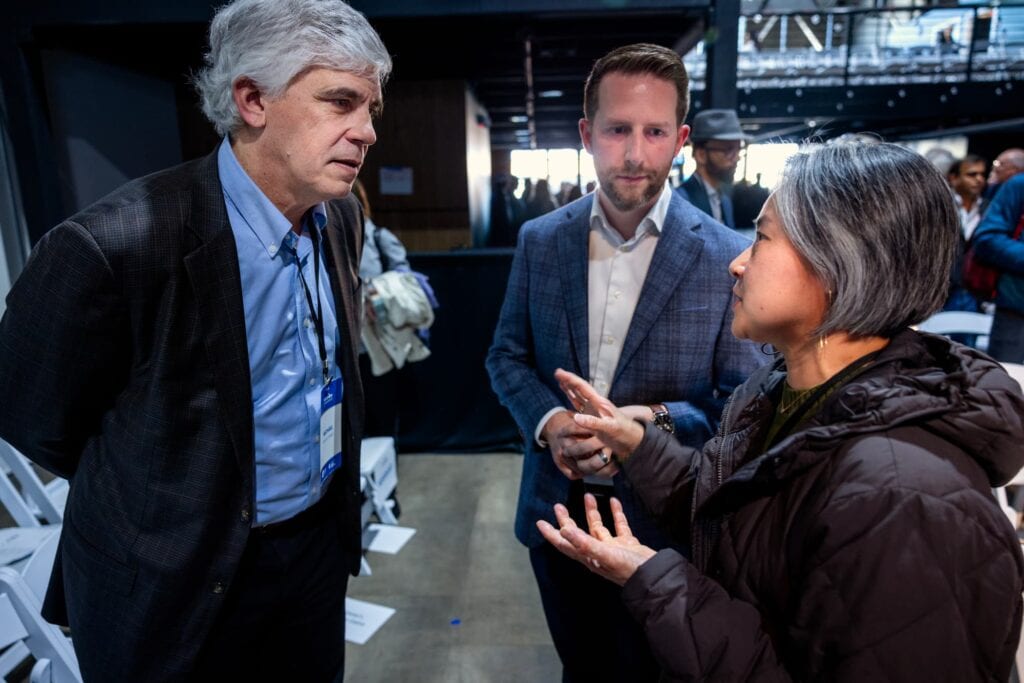
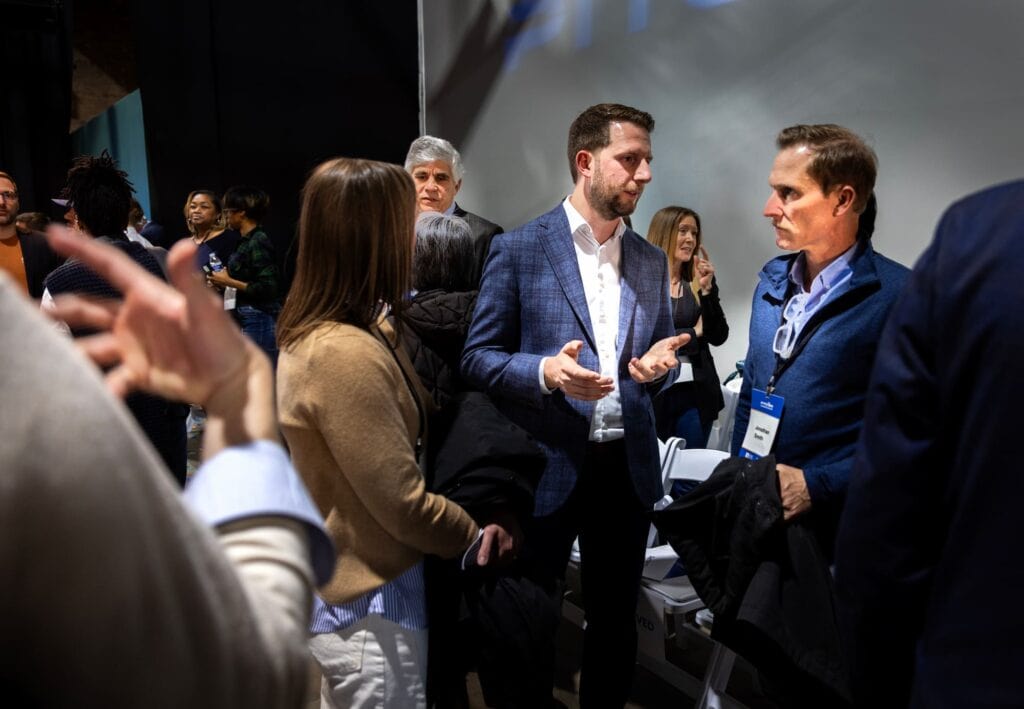
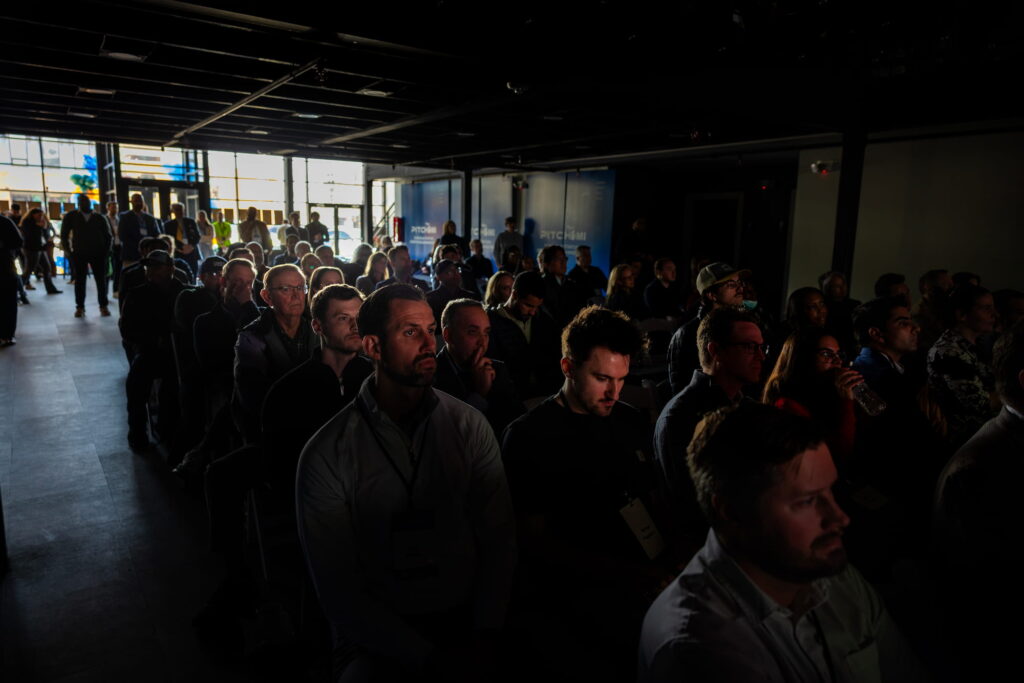
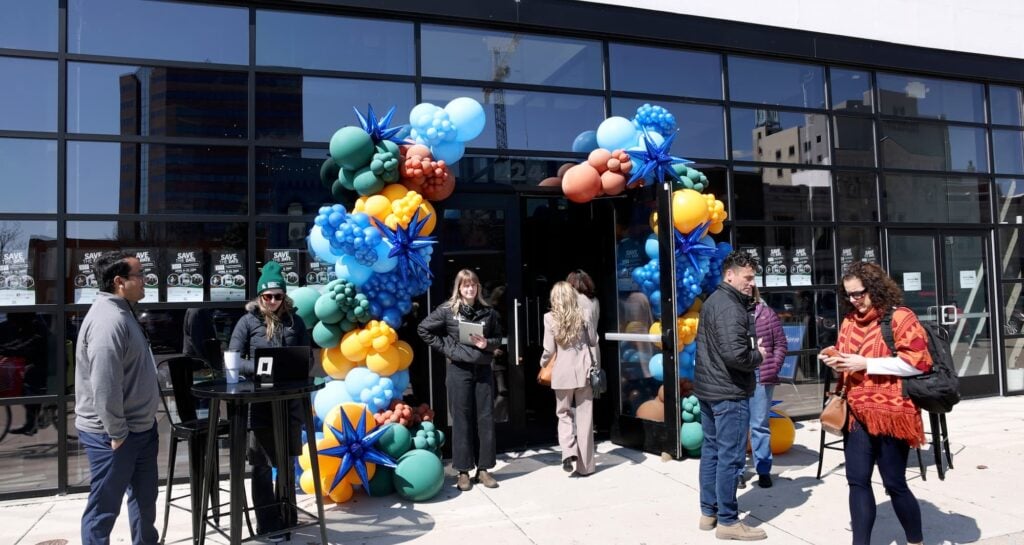
Grewal Hall at 224, a Lansing music venue typically filled with amplifiers, sweat and late-night encores, hosted a different kind of performance on a sunny Tuesday afternoon in April 2026. Where guitars typically scream, venture capital now buzzes as four hundred entrepreneurs, investors, academics and state officials work the room, ideas tested in quick, enthusiastic exchanges. Each conversation carries the spark that might ignite the next Michigan company—or the next reason to believe in an elusive startup dream.
They are here for the finale of the 2026 PitchMI Championship, a statewide competition that began with 375 applications from Michigan tech startup companies. Today, one of four remaining hopefuls will secure a $1 million investment and a defining leap forward.


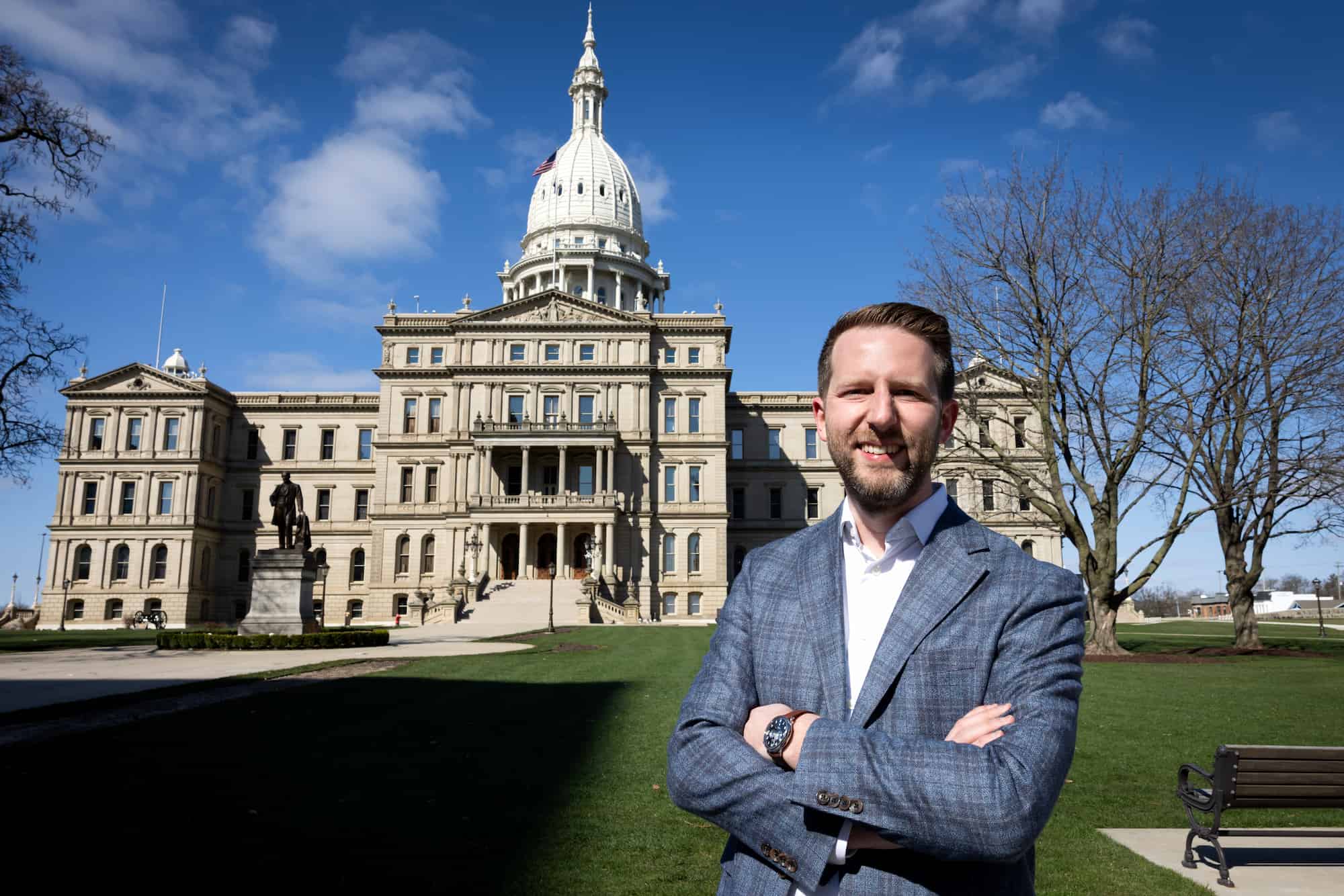
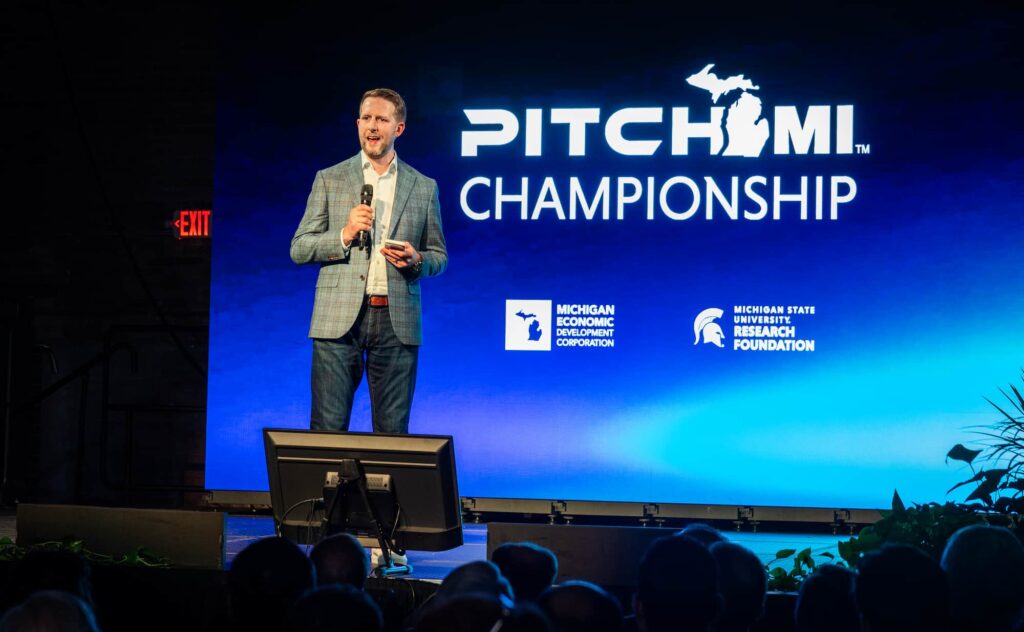
University of Michigan aerospace engineering alum Ben Marchionna (BSE Aero ‘11) takes the stage. The state of Michigan’s first-ever chief innovation ecosystem officer, Marchionna has spent the past two years connecting people and institutions so that their combined efforts produce more value for Michigan than they could alone.
“My job is to make 1 plus 1 equal 3,” he said. He points to universities, corporations, government, investors and startup founders as part of a statewide innovation ecosystem he plays a role in building. Marchionna believes that, given Michigan’s manufacturing and innovation history, the state is uniquely positioned to be a major player in hardware startups.
He sees Michigan’s edge in reindustrialization—not a return to old factories, but a fusion of advanced manufacturing with automation, robotics, and AI. The key advantage, he argues, is not replacing human expertise, but leveraging it.
Building a flywheel for talent and industry
Marchionna draws lessons from global innovation hubs like Singapore, the United Arab Emirates, and Silicon Valley. He believes intentional policy and investment strategies can transform regional economies and help Michigan create an ecosystem where ambitious graduates can stay in-state and build careers in cutting-edge industries.
“Ben has been able to bring a new perspective to the government and build bridges. I’ve seen a positive change in perspective, attitude, and action in the local ecosystem since Ben began his role,” said entrepreneur Danny Ellis.
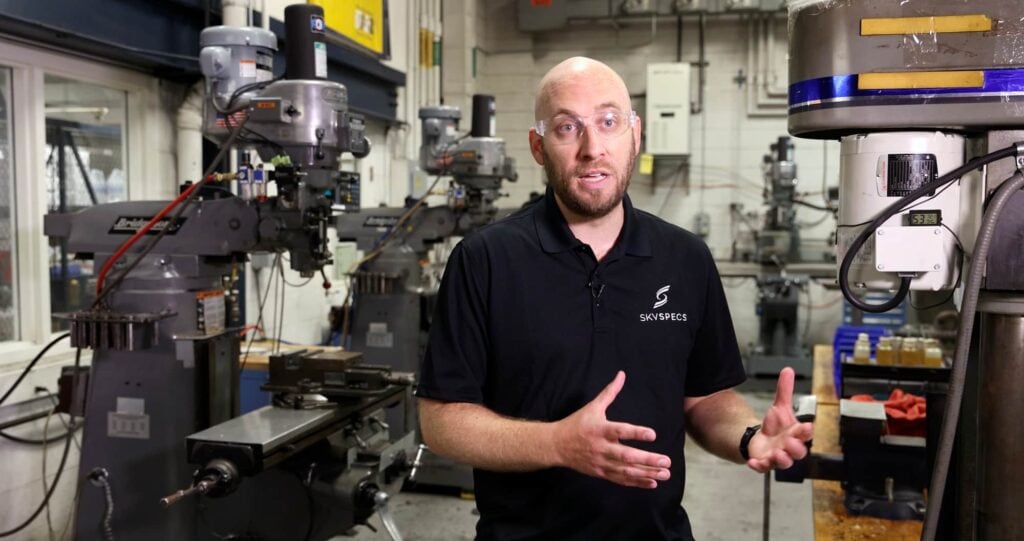
Ellis is the founder of SkySpecs, a drone and renewable energy asset management company, where Marchionna got his first taste of startup culture as vice president for global operations. Returning to Michigan after a stint at Lockheed Martin’s Skunk Works—the holy grail of aircraft development in the Mojave Desert—he saw the power of the high-risk, high-reward startup culture first-hand.
“Startups punch above their weight class in terms of economic development, job creation, and attraction of talent, funding, and large corporate partnerships,” Ellis said.
After five years at SkySpecs, Marchionna moved on to another startup, electric aircraft builder Electra.aero, commuting between Michigan and northern Virginia every week for a few years. He was about to move his family south when Michigan Governor Gretchen Whitmer offered him his current position. “It was the opportunity of a lifetime, to help Michigan transform its manufacturing-driven economy into a future-focused one driven by innovation,” he said.
While Marchionna’s path took him across the country, he ultimately returned to Michigan—and now wants others to consider doing the same. “That’s exactly the kind of talent attraction and retraction model that we think of when we designed PitchMI. That’s how we get our graduates to come back or to never have to leave in the first place,” he said.
Where pressure meets possibility
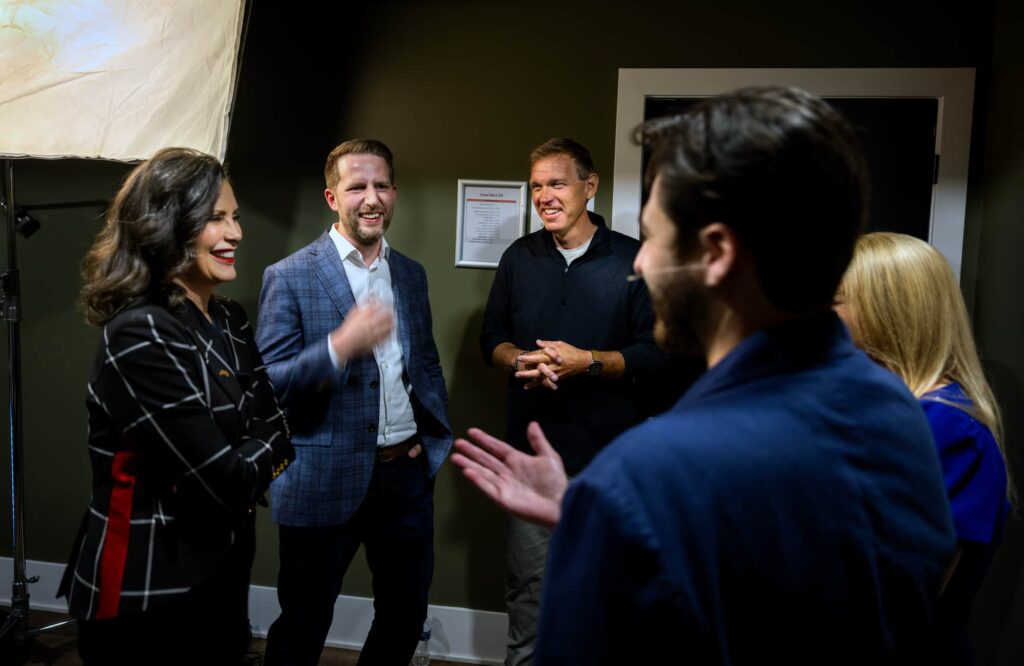

Backstage at the PitchMI competition, finalists cover their nerves with laughter and banter. Moments earlier, security had ushered Whitmer into the back room where they gathered after their stage presentations. Now, Marchionna facilitates introductions and a back-and-forth between the startup leaders and the governor. In the room next door, judges debate who will receive the $1 million prize. Two finalists—General Orbit and Adrenaline Interactive—have ties to U-M, and three of the four are based in Ann Arbor.
Minutes later, on stage, Whitmer announces the winner: Adrenaline Interactive, an ad tech platform built for gaming and immersive media.
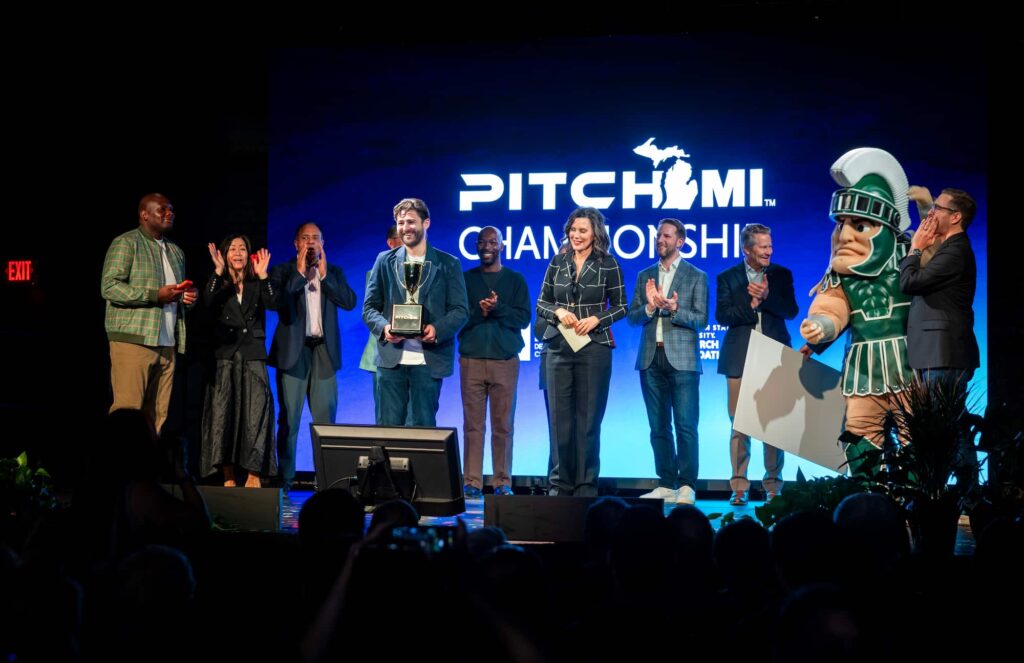
“By investing in our homegrown entrepreneurs, we are creating high-tech jobs and ensuring Michigan remains the best place in the world to innovate, grow a business, and dream big,” Whitmer said, flanked on stage by Marchionna. It’s part of the vision that Marchionna has been chasing since he chose to come back home.
The state of Michigan is home to the nation’s third-largest engineering workforce and second-highest concentration of engineers, according to the Bureau of Labor Statistics’ 2025 data. Only California and Texas employ more engineers. In Michigan, 29.5 out of every 1,000 jobs are held by an engineer, nearly twice the national average. University of Michigan Engineering has played a major role in developing this talent, with at least one in five of the state’s 130,000 engineers holding Michigan Engineering degrees.